
Understanding the Schengen Area and Its Visa Regulations
The Definition of the Schengen Area
The Schengen Area is a group of European countries that have abolished passport and other types of border control at their mutual borders. This allows for the free movement of people within the area as if it were a single country. The Schengen Agreement, initially signed in 1985, laid the groundwork for this open-border policy, which has since expanded to include 27 member nations.
Purpose of the Schengen Visa
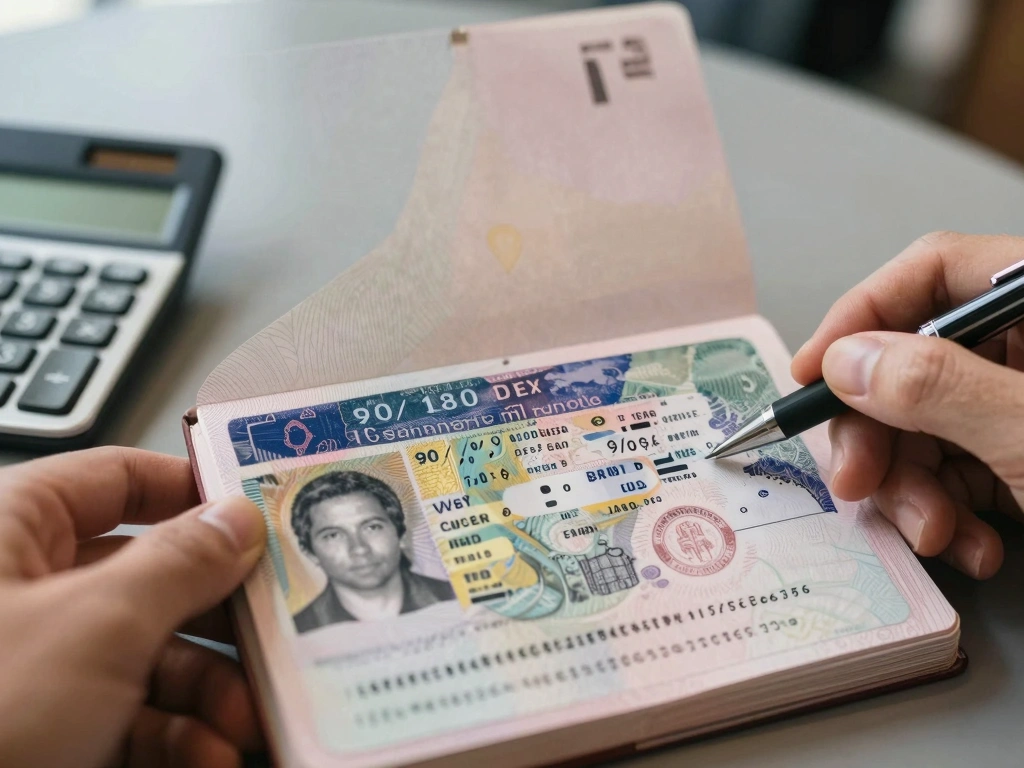
The Schengen Visa is a short-stay visa that allows holders to travel freely within the Schengen Area for tourism, business, or family visits for a period of up to 90 days within any 180-day period. It is designed to facilitate easy travel across member states while maintaining security and border integrity.
Countries Included in the Schengen Agreement
As of October 2023, the Schengen Area consists of the following countries:
- Austria
- Belgium
- Czech Republic
- Denmark
- Estonia
- Finland
- France
- Germany
- Greece
- Hungary
- Iceland
- Italy
- Latvia
- Lithuania
- Luxembourg
- Malta
- Netherlands
- Norway
- Poland
- Portugal
- Slovakia
- Slovenia
- Spain
- Sweden
The 90/180 Days Rule Explained
What Does 90/180 Days Mean?
The 90/180 days rule indicates that a non-EU traveler can stay within the Schengen Area for a maximum of 90 days within a rolling 180-day period. This means that if you have spent 90 days in the Schengen Area, you must exit and cannot return until the 180-day period has passed. The counting of days is based on all Schengen countries combined, not on a country-by-country basis.
How to Calculate Your Days in the Schengen Zone
To effectively manage your stay, you must understand how to calculate your days:
- Determine your travel dates and the total number of days spent in the Schengen Area.
- Look back 180 days from your intended departure date to include all previous entries into the Schengen Zone during this period.
- Count the total number of days spent within the Schengen Area during those 180 days.
For example, if you plan to leave the Schengen Area on December 31, 2023, you need to count back to July 4, 2023, and total your days spent in the area during this time frame.
Common Misconceptions About the 90/180 Days Rule
Many travelers misunderstand the 90/180 days rule. Here are some common misconceptions:
- Misconception 1: The 90 days are counted from the first entry only.
- Misconception 2: You can reset your 90-day allowance by leaving and re-entering the Schengen Area.
- Misconception 3: The 90 days can be used in chunks of time without considering the 180-day window.
Understanding these misconceptions is critical to ensuring compliance with visa regulations and avoiding penalties.
Calculating Your Stay: Practical Examples
Scenario 1: Traveling for 30 Days and Returning
Imagine you plan a trip from June 1 to June 30, 2023, spending the full 30 days in France and Germany. You then leave the Schengen Area and return on July 15, 2023, for another 30 days. Here’s how the calculation works:
- First Trip: June 1 - June 30 (30 days)
- Second Trip: July 15 - August 15 (30 days)
- Total Days: 60 days in the last 180 days
In this scenario, you still have 30 days available for the next 180 days, as long as you count back from your return date each time.
Scenario 2: Split Trips Over 180 Days
Consider a traveler who visits the Schengen Area multiple times. If they travel between January 1 and March 31 for 90 days, they can’t return until after 180 days have passed after their first entry:
- First Trip: January 1 - March 31 (90 days)
- Next Eligible Return: After July 1 (180 days from January 1)
This means the traveler must wait until July 1, 2023, to re-enter the Schengen Area, even if they have not used their full 90 days.
Scenario 3: Overstaying Your Visa - Consequences and Solutions
Overstaying your visa can lead to significant consequences, including fines, bans on entering the Schengen Area, and difficulties in future visa applications. For instance, if you stay for 95 days instead of the allowed 90:
- You may face a fine of up to €3,000 depending on the country.
- A potential ban from re-entering Schengen countries for a specified period.
If you realize you are about to overstay, the best solution is to exit the area as soon as possible and ensure that future travel plans adhere strictly to the 90/180-day rule.
Tools and Resources for Tracking Your Days
Visa Calculator Tools Available Online
Several online visa calculators can help you track your days in the Schengen Area. These tools allow you to input your travel dates and provide a clear visual of your remaining days. Popular tools include:
- Schengen Visa Calculator
- Schengen Visa Info Calculator
These calculators can simplify the complicated math associated with the 90/180-day rule.
Utilizing a Travel Diary for Accurate Tracking
Keeping a travel diary is an effective way to track your entries and exits. Write down the dates of each entry into the Schengen Area and your departure dates. This manual tracking method can be particularly useful in case of discrepancies or questions from border control.
Mobile Apps to Help Manage Your Schengen Days
There are various mobile applications designed specifically to help travelers manage their Schengen visa days. Apps such as:
- Travel Tracker
- Schengen Visa Days Counter
These apps provide notifications to alert you as you approach the end of your allowed days, ensuring you remain compliant with visa regulations.
Tips for Avoiding Common Pitfalls
Planning Your Travel Itinerary Wisely
To avoid overstaying, it’s crucial to plan your travel itinerary wisely. Consider the following tips:
- Use a calendar to mark your travel dates and calculate your available days.
- Be mindful of public holidays and weekends that may affect border control times.
- Leave the Schengen Area well before you exceed your 90-day limit.
Understanding Border Control Procedures
Understanding how border control procedures work can save you from unexpected complications. Always be prepared to show:
- Your travel itinerary
- Proof of accommodation
- Return flight tickets
Being organized will help border control officials verify your travel history and intentions.
What to Do If You Exceed Your Allowed Days
If you find yourself in a situation where you have exceeded your allowed days:
- Contact the local immigration office or embassy as soon as possible to explain your situation.
- Prepare documentation that may help your case, such as emergency reasons for overstaying.
- Plan your exit route and be ready to comply with any fines or penalties imposed.
Taking these proactive steps can mitigate the consequences of overstaying your visa.