
The Role of Learner Motivation in MOOC Completion
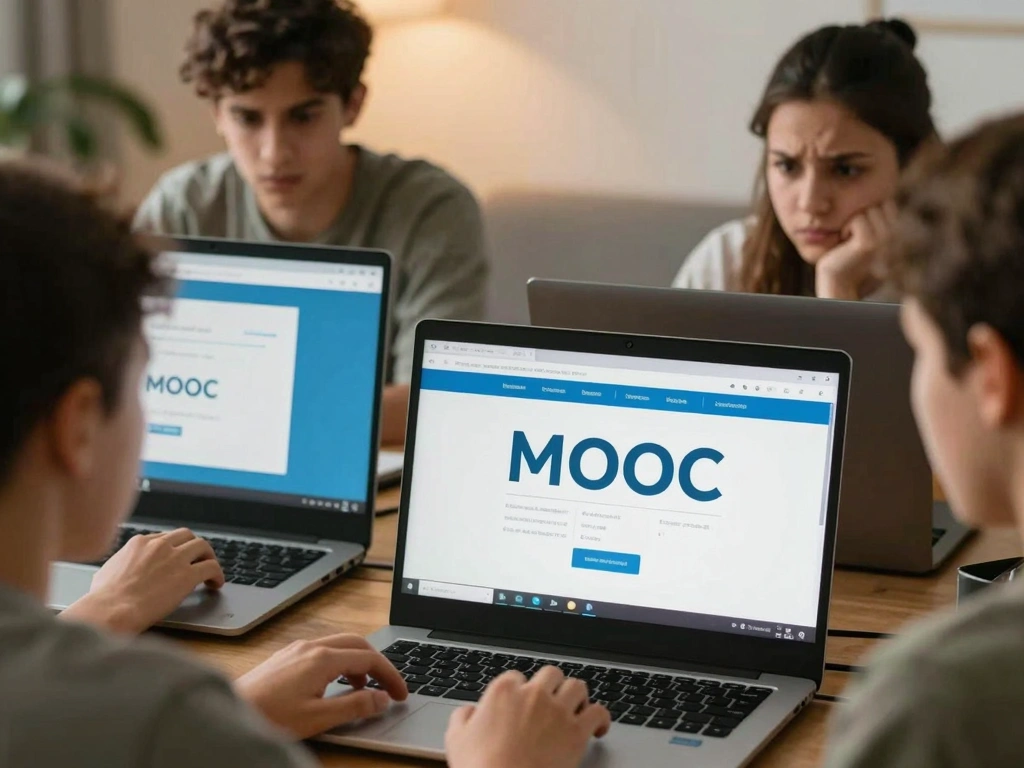
Massive Open Online Courses (MOOCs) have revolutionized the landscape of education, offering unprecedented access to knowledge and resources. However, despite their potential, completion rates for MOOCs remain stubbornly low, often hovering around 5-15%. One of the critical factors influencing these rates is learner motivation. Understanding the nuances of learner motivation can provide valuable insights into why so many students enroll but fail to complete their courses.
Intrinsic vs. Extrinsic Motivation
Motivation can be broadly categorized into two types: intrinsic and extrinsic. Intrinsic motivation refers to engaging in an activity for its inherent satisfaction, such as a love for learning or personal growth. In contrast, extrinsic motivation involves participating in an activity for external rewards, such as certificates, job prospects, or social recognition.
Research shows that learners who are intrinsically motivated are more likely to complete MOOCs. For example, a study published in the International Review of Research in Open and Distributed Learning found that students who took courses for personal interest or skill enhancement had higher completion rates compared to those motivated by external factors. This suggests that fostering a genuine interest in the subject matter is crucial for improving retention.
Impact of Goal Setting on Engagement
Goal setting is another essential aspect of learner motivation. When students set specific, measurable, achievable, relevant, and time-bound (SMART) goals, they are more likely to stay engaged and committed to their courses. For instance, a MOOC on data science might encourage learners to set goals such as completing a module each week or applying learned concepts to a personal project.
Research indicates that learners who establish clear objectives are more focused and less likely to drop out. A study by the University of Pennsylvania found that participants who set goals were 30% more likely to complete their courses than those who did not. This highlights the importance of integrating goal-setting frameworks into MOOC design to enhance learner motivation and engagement.
Strategies to Enhance Learner Motivation
Several strategies can be employed to boost learner motivation in MOOCs. These include:
- Gamification: Incorporating game-like elements such as badges, leaderboards, and progress tracking can make learning more engaging. For example, platforms like Coursera and edX have successfully implemented gamification techniques, leading to increased completion rates.
- Personalized Feedback: Providing timely and constructive feedback helps learners understand their progress and areas for improvement. Personalized messages from instructors can enhance the sense of connection and commitment.
- Flexible Learning Paths: Allowing learners to choose their learning paths based on interests and pace can increase intrinsic motivation. Tailoring content to individual needs fosters a sense of autonomy, making it more likely for learners to complete their courses.
Course Design and Structure Challenges
The design and structure of MOOCs significantly impact learner engagement and completion rates. Various challenges can hinder the effectiveness of course delivery, leading to high dropout rates.
Length and Complexity of Courses
One of the primary challenges in MOOC design is the length and complexity of courses. Many MOOCs are designed to cover extensive content, which can be overwhelming for learners. A course that spans several weeks or months can lead to cognitive overload, resulting in disengagement.
For instance, a course on machine learning may require 10 weeks of intensive study. If learners find the material too complex or time-consuming, they are likely to abandon the course. A report by Class Central indicated that shorter, more focused courses tend to have higher completion rates, emphasizing the need for brevity and clarity in course design.
Lack of Personalization in Learning Paths
Many MOOCs adopt a one-size-fits-all approach, offering the same content and structure to all learners. This lack of personalization can lead to frustration and disengagement, particularly for learners with different backgrounds and skill levels. For example, a learner with prior knowledge in a subject may find basic introductory material redundant, while a novice may struggle with advanced concepts.
Platforms like Udacity have begun to address this issue by offering tailored learning experiences that adapt to individual progress and preferences. Such initiatives can significantly enhance learner motivation and improve completion rates.
Assessment Methods and Their Influence
The methods of assessment used in MOOCs also play a crucial role in learner engagement. Many courses rely heavily on high-stakes exams or quizzes, which can create stress and anxiety among learners. A study conducted by the University of California found that learners who experienced anxiety during assessments were more likely to drop out.
Alternatively, formative assessments, such as quizzes that provide feedback without significant consequences, can encourage learners to stay engaged. By fostering a low-stakes environment, instructors can promote a culture of learning rather than a focus on grades, ultimately improving completion rates.
The Influence of Social Interaction on Completion Rates
Social interaction is another vital factor influencing MOOC completion rates. The ability to connect with peers and instructors can significantly impact learners' motivation and commitment to their courses.
Peer Support and Community Engagement
Peer support is crucial for enhancing learner engagement in MOOCs. When learners feel connected to a community, they are more likely to persist through challenges. For instance, platforms like FutureLearn emphasize social learning, encouraging discussions and collaborations among learners.
A study by the Open University found that learners who actively engaged in peer forums and study groups had a 25% higher completion rate than those who studied in isolation. This underscores the importance of fostering a sense of community and support within MOOC environments to improve retention.
The Role of Instructor Interaction
Instructor interaction is equally significant in motivating learners. Instructors who actively participate in discussions, provide feedback, and offer support create an environment where learners feel valued and encouraged. A survey conducted by Online Learning Consortium revealed that courses with high levels of instructor engagement had completion rates that were 20% higher than those with minimal interaction.
For example, courses that utilize regular live Q&A sessions or personalized feedback from instructors tend to foster a stronger connection between learners and the course content, leading to increased completion rates.
Effects of Isolation in Online Learning Environments
Isolation is a common challenge in online learning environments, particularly in MOOCs. Learners often experience feelings of loneliness and disconnection, which can lead to disengagement and dropout. A study by the University of Massachusetts found that nearly 40% of participants reported feelings of isolation, which contributed to their decision to discontinue their courses.
To combat isolation, MOOC providers can implement features such as discussion boards, group projects, and peer review systems. By encouraging collaborative learning, MOOCs can create a more inclusive and supportive environment that enhances learner motivation and completion rates.
Technological Barriers to Completion
Technological barriers can significantly impact MOOC completion rates. Access to reliable technology and the internet, along with the overall user experience, plays a crucial role in a learner's ability to engage with course material.
Access to Reliable Internet and Devices
Access to reliable internet and devices remains a significant hurdle for many potential learners. According to a report by the Pew Research Center, approximately 25% of adults in the United States do not have access to high-speed internet, which can limit their ability to participate in MOOCs effectively.
Moreover, learners in developing countries may face even more significant challenges. For instance, a study conducted by the World Bank found that students in low-income regions often lack access to basic technology, making participation in MOOCs virtually impossible. Addressing these disparities is essential for improving completion rates among diverse populations.
Technical Literacy and User Experience
Technical literacy is another barrier that can impact MOOC completion. Many learners may struggle with navigating online platforms, accessing course materials, or utilizing interactive features. A study by the European Commission found that learners with low digital skills are more likely to disengage from online courses.
To mitigate these challenges, MOOC providers must invest in creating user-friendly platforms that prioritize accessibility and ease of use. Providing tutorials, help centers, and responsive customer support can help bridge the gap for learners with varying levels of technical proficiency.
Platform Limitations and Their Consequences
Not all MOOC platforms are created equal. Some may lack essential features that enhance the learning experience, such as adaptive learning technologies or robust assessment tools. A lack of these features can lead to frustration and disengagement among learners.
For instance, platforms like Coursera and edX offer a wide range of courses with interactive elements, quizzes, and forums. In contrast, less comprehensive platforms may not provide sufficient resources for learners to engage effectively with the material, leading to lower completion rates. Investing in platform improvements and innovations is crucial for creating an engaging learning environment.
Demographic Factors Affecting MOOC Outcomes
Demographic factors also play a significant role in determining MOOC completion rates. Understanding these factors can help educators design more effective courses that cater to diverse learner populations.
Age and Educational Background of Participants
A learner's age and educational background can significantly influence their ability to complete a MOOC. Younger learners, often more familiar with technology and online learning, may find it easier to engage with course material. In contrast, older learners may struggle with unfamiliar technology or complex content.
Furthermore, learners with prior educational experience in a subject may have higher completion rates than those without. A study by the Online Learning Consortium found that learners with a bachelor’s degree were 40% more likely to complete their courses compared to those with only a high school diploma.
Work and Family Commitments
Work and family commitments are also significant factors that affect learner engagement and completion. Many MOOC participants juggle full-time jobs, childcare, and other responsibilities, making it challenging to dedicate time to their courses. A survey conducted by Coursera found that 60% of learners cited time constraints as a primary reason for not completing their courses.
To address this issue, MOOC providers can design courses that offer flexible schedules and self-paced learning options. Providing resources that allow learners to balance their commitments can lead to higher completion rates.
Geographic and Economic Disparities
Geographic and economic disparities can also impact MOOC completion rates. Learners from urban areas may have better access to technology and reliable internet than those in rural regions. Additionally, economic factors can influence a learner's ability to commit time and resources to online education. A report by the World Economic Forum indicated that learners from lower-income backgrounds are less likely to complete MOOCs due to financial constraints and lack of access to necessary technology.
Addressing these disparities is essential for creating equitable learning opportunities. MOOC providers should consider implementing scholarships, partnerships with local institutions, and community outreach programs to support underserved populations.
In conclusion, the low completion rates of MOOCs can be attributed to various interconnected factors, including learner motivation, course design challenges, social interaction, technological barriers, and demographic factors. By addressing these issues, MOOC providers can enhance learner engagement and improve completion rates, ultimately maximizing the potential of online education. Continuous research and innovation in these areas will be essential for the long-term success of MOOCs and their ability to democratize education for learners worldwide.